
Richmond Hill and GTA rental property contractor
Apartment and rental property renovations across the GTA.
Fast, durable renovations that minimize vacancy time.
Vacancy-aware planning
Every day a unit sits empty costs you money.
JT specializes in efficient rental and multi-unit renovations, coordinating kitchen, bathroom, flooring, paint, and finishing work in a single streamlined visit where the property and scope allow.
We start with the vacancy date, property condition, access, approved finish standard, materials, and handover requirements. The goal is a clear, durable scope that helps the property return to the market quickly without hiding preparation, approvals, or concealed-condition risk.
Local planning details: apartment renovation contractor in Richmond Hill, rental renovation contractor in Mississauga, apartment renovation contractor in Hamilton, rental renovation contractor in Burlington, apartment renovation contractor in Oakville, rental renovation contractor in Brampton, and apartment turnover contractor in Barrie.
Durable turnover scope
Coordinate the unit in one practical plan.
Each proposal is adjusted to the property, finish standard, access, and vacancy deadline.
Before construction
Resolve the decisions that affect vacancy and schedule.
No renovation can guarantee a rent increase, resale result, tax treatment, or investment return. Owners should obtain independent financial, legal, insurance, and property-management advice where appropriate.
- Property and occupancy: identify whether the space is vacant, occupied, owner-used, condominium, rental, or part of a multi-unit building.
- Existing conditions: document damage, leaks, previous alterations, service capacity, measurements, and items that will remain.
- Target standard: define which repairs are required and which upgrades are optional, including acceptable materials and substitutions.
- Approvals: confirm municipal permits, condominium rules, owner authorization, insurance requirements, building access, and licensed-trade responsibilities.
- Handover: agree on photos, deficiencies, warranties, trade documents, keys, cleanup, and the person authorized to accept completion.
A practical workflow
From vacancy inspection to leasing handoff.
- Review: discuss the property, intended use, occupancy, priorities, photos, access, and timing constraints.
- Walkthrough: inspect visible conditions, measurements, related systems, building rules, and decisions that still require specialist input.
- Scope: define inclusions, exclusions, materials, allowances, responsibilities, approvals, trade coordination, and change procedures.
- Construction: coordinate approved work, site communication, protection, decisions, and applicable inspections.
- Closeout: review deficiencies, cleanup, project records, and the handover requirements agreed for the property.
Real JT rental-project evidence
See the kind of turnover work we already document.
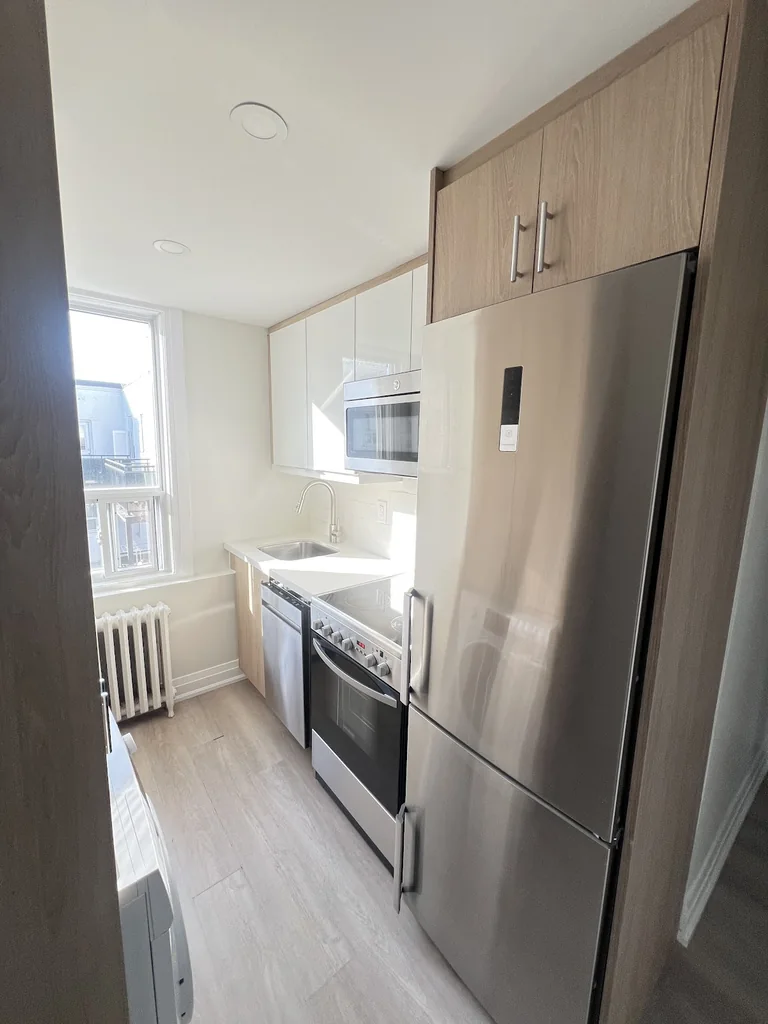
The GTA rental-unit case study connects a kitchen, bathroom, flooring, paint, trim, doors, hardware, and lighting in one interior scope.
The Barrie project documents a larger renovation with real before-and-after photography. These projects demonstrate JT’s work; they do not promise the same price, scope, schedule, or outcome for another property.
View the GTA rental renovation →View the Barrie renovation →
Free planning resources
Make a better-informed renovation request.
GTA renovation cost guide
Understand planning ranges and the property conditions that affect them.
Review cost guidance →ApprovalsToronto renovation permit guide
Check municipal and project-specific approval questions before work starts.
Review permit guidance →Due diligenceCompare renovation quotes
Compare scope, allowances, exclusions, responsibilities, and change procedures.
Use the comparison guide →Managed propertiesProperty-manager service portal
Submit occupancy, timing, access, priority, and scope details in one request.
Open the portal →Investment-property renovation FAQ
Questions landlords and investors often ask.
Answers remain property-specific until the space, scope, access, approvals, materials, and existing conditions are reviewed.
Can JT renovate a vacant rental unit between tenancies?
Yes. The scope can combine repairs, paint, flooring, kitchens, bathrooms, fixtures, related trade work, deficiencies, and final handover. Timing is confirmed only after access, conditions, materials, building rules, and approvals are known.
Can work be completed in an occupied investment property?
Some repairs and renovations can be planned around occupancy. The request should identify residents, access authority, protection, work hours, communication, safety, and any temporary service interruptions. Suitability depends on the actual work and property.
Does JT help with permit and licensed-trade coordination?
JT can help identify coordination needs within the renovation scope. The property owner remains responsible for compliance. Permit requirements must be confirmed with the municipality or qualified designer, and regulated work must be completed and documented by the appropriate qualified trade.
How much does an investment-property renovation cost?
Cost depends on the property condition, room count, demolition, materials, access, building rules, permits, trade requirements, disposal, and the finish standard. A property-specific walkthrough and written scope are required for meaningful pricing.
Talk about your building.
Tell us about the property, occupancy, access, and work you need. Timing and pricing follow a review of the actual scope. Projects contracted directly with JT include a one-year labour warranty on JT workmanship, subject to the written agreement.
See a documented building-unit renovation: Dunlop Street unit renovation. Read the relevant FAQs →